Gas Cooktop Installation in Sandgate
A gas cooktop installation Sandgate households can count on covers the supply checks, the leak test and the paperwork that proves the job is lawful. Our licensed plumbers and gasfitters connect cooktops, built-in ovens, freestanding cookers and gas heaters, on natural gas or LPG, and every job is done by a licensed plumber. Start on our Sandgate home page for the full range of household work, or read on for what a cooktop connection involves.
If we're late, $100 comes off your bill

- Licensed and InsuredEvery job done by a licensed plumber. QBCC No: 15024607
- Fixed Quote FirstFlat-rate pricing, agreed before any work starts
- Lifetime Labour WarrantyBacked by our Fix-It-or-It's-Free guarantee (T&Cs apply)
- $0 Call-Out FeesNo extra charge for nights, weekends or public holidays
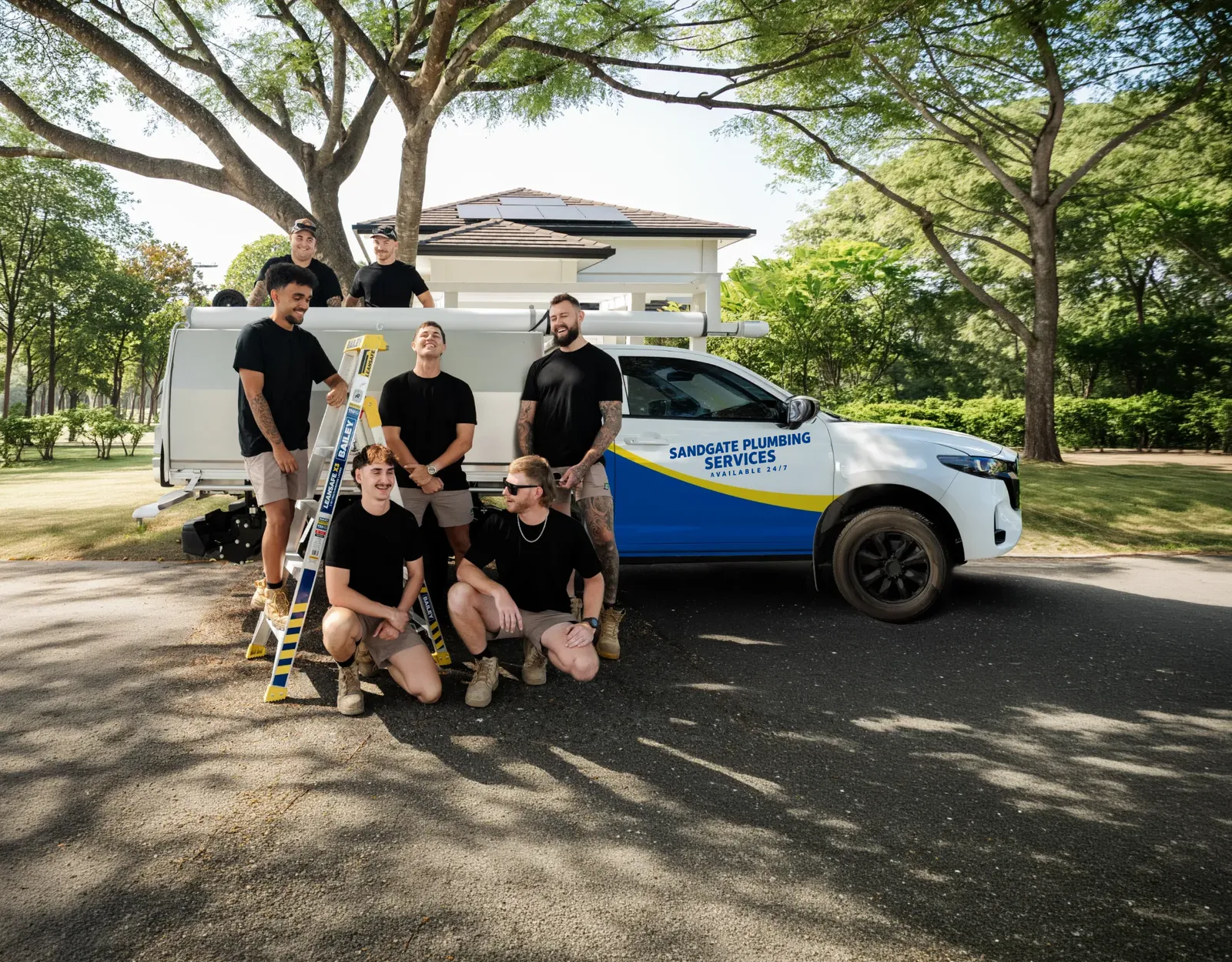
You get a complete job: the appliance connected to the maker's instructions, the supply verified, the new joints tested, and a gas system compliance certificate in your hand at the end. For broader gas work, see our gas fitting page.
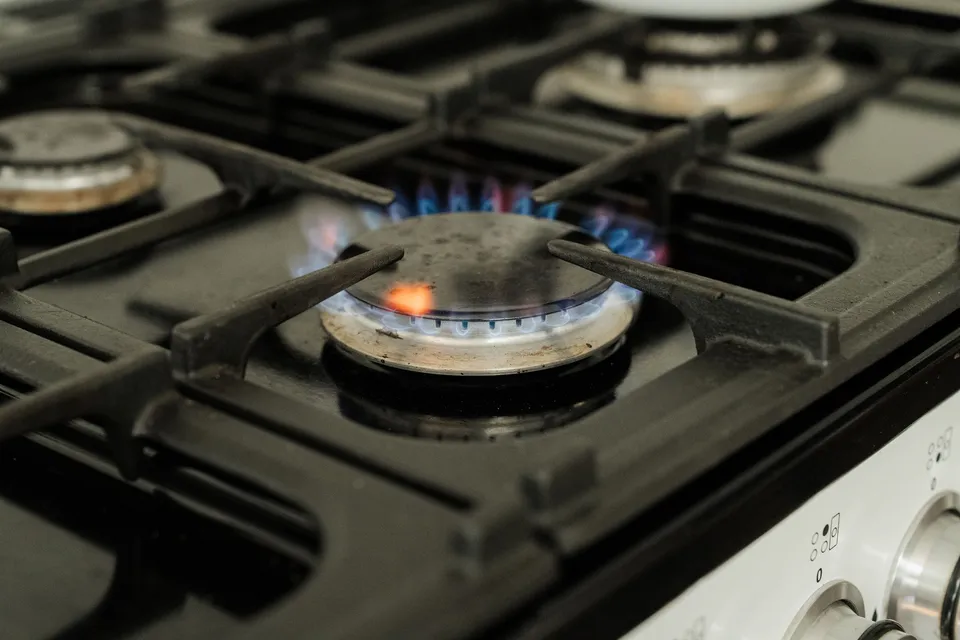
Can You Install a Gas Cooktop Yourself
No, only a licensed gasfitter can carry out gas work in Queensland, and that includes putting in a cooktop. Gas work covers every part of a fuel system: putting appliances in and taking them out, changing, fixing, servicing, testing and signing off. The pipes and joints in between count too, on natural gas and on LPG.
A home owner cannot connect a cooktop, convert one between fuels or sign off on the result. Ask any tradesman for their gas work licence before the tools come out. It is a fair question, and a licensed gasfitter will produce it without hesitation.
How a Cooktop, Oven or Heater Gets Connected
Connecting one of these appliances means joining it to the gas supply, following the manufacturer's instructions, leak testing every new joint and certifying the finished work. The steps run in this order:
A bench cooktop, a wall oven and a cooker with an oven under the burners each meet the supply differently, and the number of burners changes the job. Servicing matters too: appliances like cookers and heaters should be checked periodically by a licensed gasfitter. If something already smells wrong before any of this starts, our gas leak repairs page is the right place.
- 1

The gas point
We confirm the outlet where the appliance connects, or plan a new line if none exists.
- 2

Clearances
The installation sheet from the maker fixes the gaps to the rangehood, cupboards and combustible surfaces, and we position the appliance to those figures.
- 3
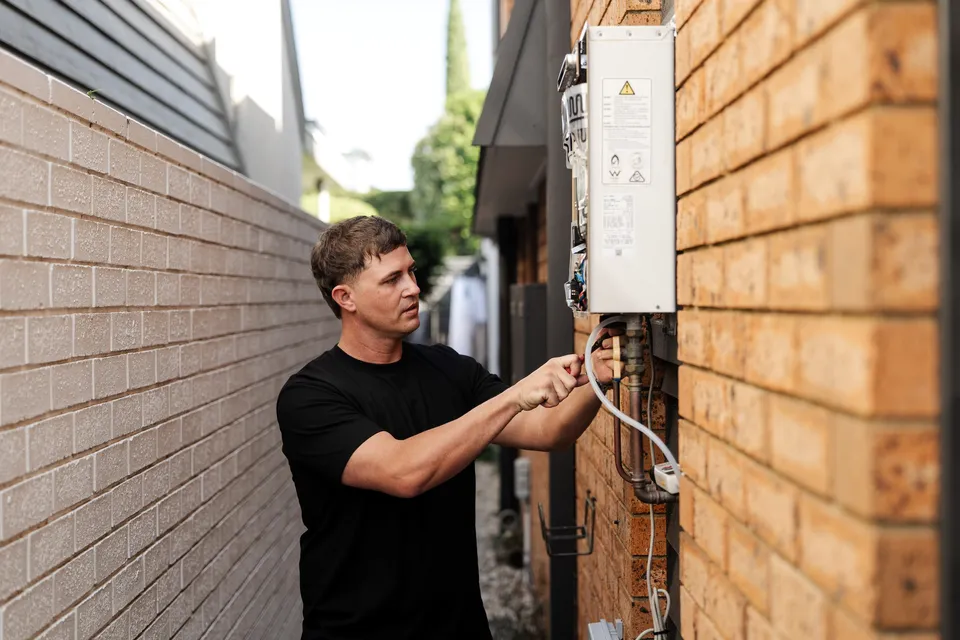
The connection
We fit the appliance to the supply, light it and adjust it so every burner runs as the maker intended.
- 4

The leak test
Every new connection gets tested before we leave the house.
- 5

The certificate
You receive your gas system compliance certificate straight away on completion, confirming the work is compliant. Our gas compliance certificates page explains what that paper is worth.
Plumbing job in Sandgate?
$0 call-out fees, available 24/7, and same-day where we can.

Costs Beyond the Appliance Itself
The price of the job turns on the gas point, the appliance type, the supply checks and any conversion between fuels, and a fixed quote before any work starts sets it all out. No dollar figures appear on this page, because your quote covers your job, not a hypothetical one.
What moves the number:
An existing gas point
A swap onto an outlet already in the bench saves pipe compared with a new line.
A new line
Running pipe out from the meter, or setting up a fresh LPG cylinder system, adds materials and time.
The appliance
Four burners on the bench, a wall oven and a freestanding cooker are three different jobs.
Supply checks
Before installing, the licence holder must confirm the supply can deliver the extra demand.
Conversion
Changing an appliance between natural gas and LPG is extra gas work using the kit the manufacturer lists.
Flat-rate pricing and no hidden fees apply, whatever the job turns out to need.
Natural Gas, LPG and Conversions
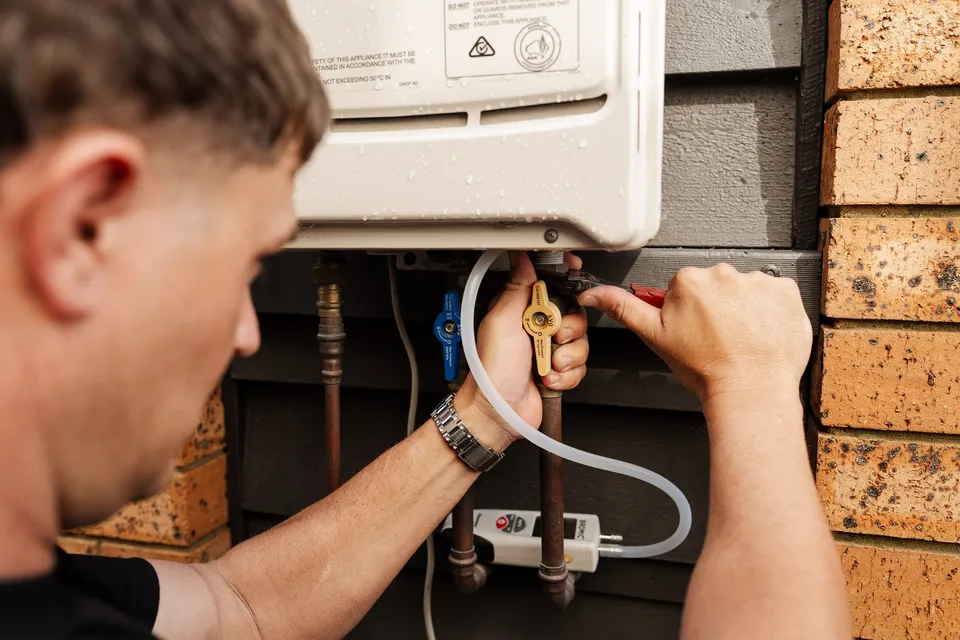
Before a new appliance goes in, the gasfitter checks the supply can deliver its demand, covering how LPG cylinders are stored, how fast the gas can turn to vapour, whether the meter has the headroom, and the pipe sizing. Gas reaches a home by pipe from a metered network or from an LPG cylinder or tank. An appliance is set up for one fuel or the other, not both.
Two rules sit behind the checks. A licence holder must tell the company running the gas network before fitting a whole new system on a metered supply. The same rule applies once a job adds 100 megajoules per hour or more of demand, and the notice states what the work involves and how much extra gas the house will draw.
Nearly every unit arrives from the factory tuned to a single fuel. A cooktop moving between a natural gas home and an LPG home is converted first, using the kit the manufacturer lists for that model, and the gasfitter tests the result before handover.
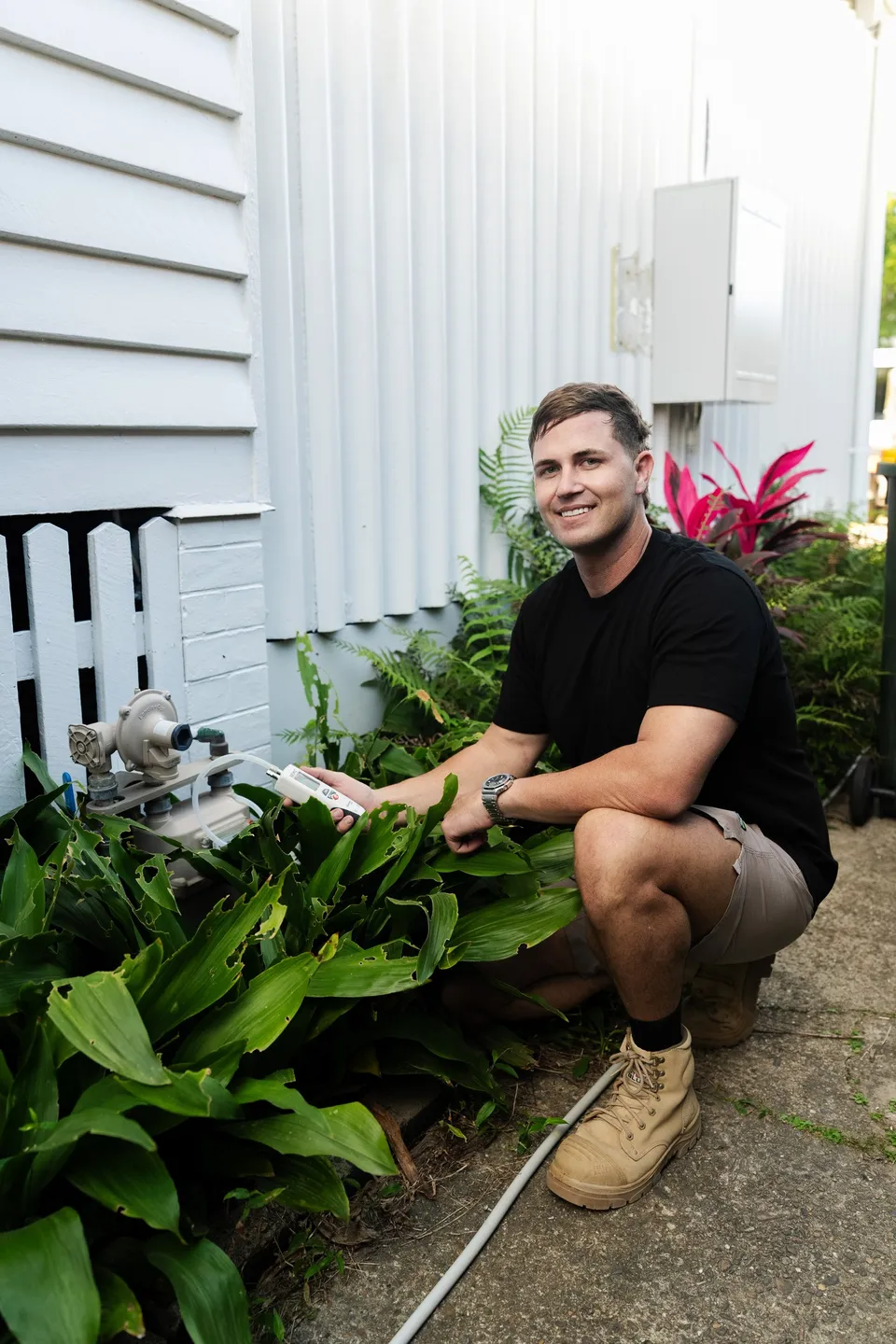
Safety Features to Look for When Buying
Three features mark a safe gas appliance: an approval badge from the national scheme covering gas devices, a flame failure device, and automatic reignition. Check all three before you buy.
The approval badge
It shows the appliance passed the national testing scheme for gas devices.
Flame failure
A device that shuts off the gas when a flame dies.
Automatic reignition
The cooktop lights the burner again without you touching it.
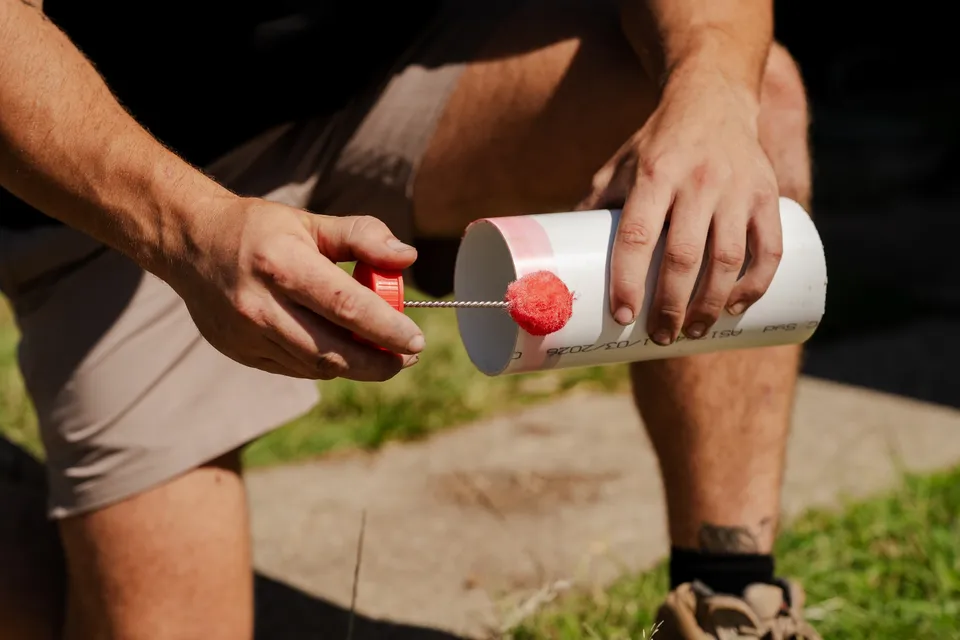
Gas Appliances in an Old Seaside Town
Housing here barely turns over, which shapes how gas appliance jobs run. Area-level approvals data records just 60 new dwellings over five years, with population growth near 0.5 per cent over the same period. Most cooktop and heater connections therefore replace old appliances in established homes rather than fit out new builds.
That matters for the supply checks. An older gas point feeding a bigger modern cooktop, say in a weatherboard villa off Rainbow Street, is exactly the situation where the meter and pipe sizing get a close look before anything is connected.
How Your Booking Runs
- 1

Tell us what's happening
Call (07) 3523 7172 or send the form with a few details about the problem in Sandgate. A clear description helps us bring the right parts.
- 2
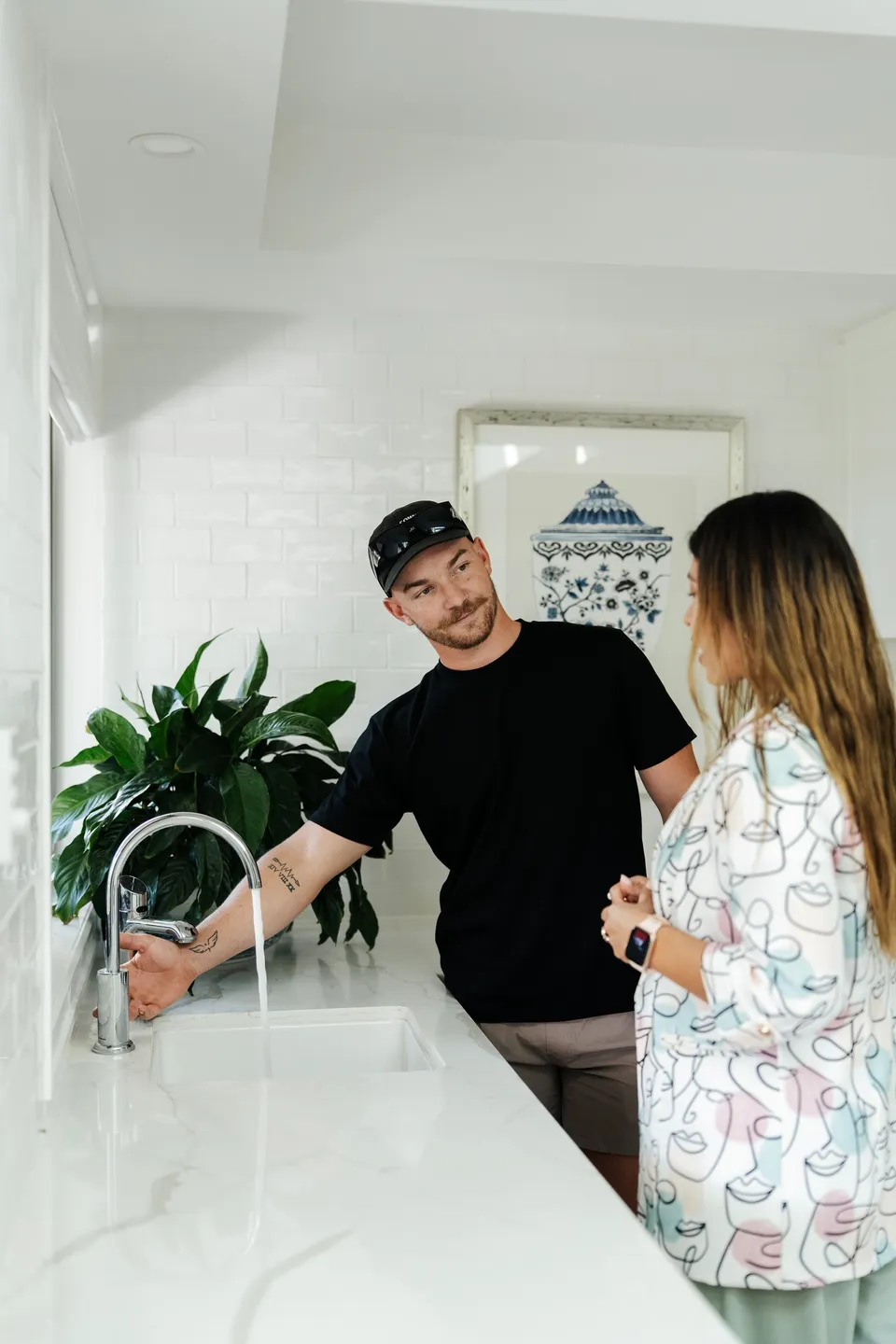
We check the appliance and the supply
We confirm the appliance suits the fuel in the house, verify the supply can deliver its demand, and measure the clearances the maker requires before anything is disconnected or connected.
- 3
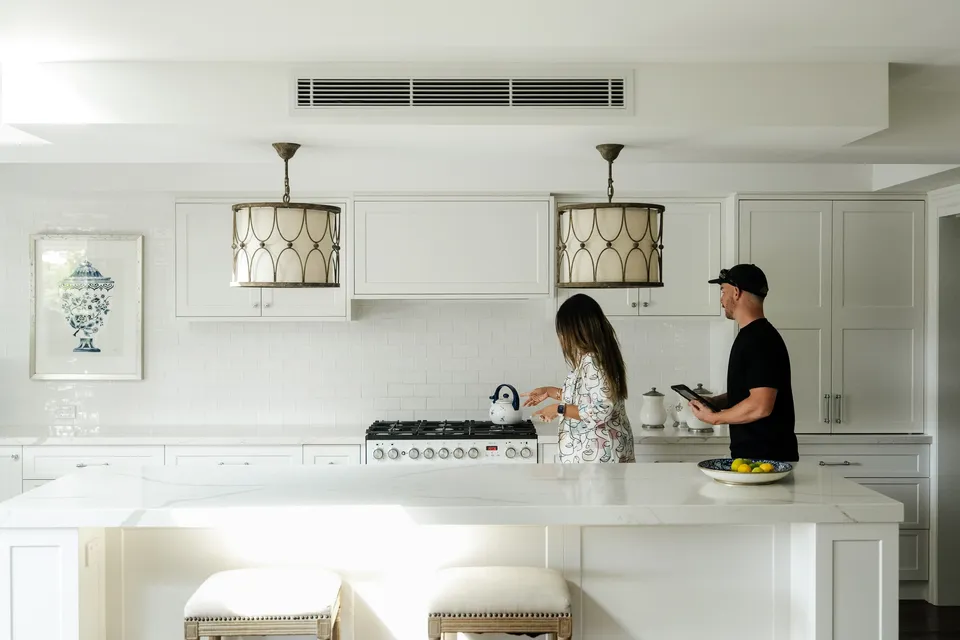
Approve a fixed price
You get a fixed quote before any work starts, with flat-rate pricing and no hidden fees. Nothing goes ahead until you say yes.
- 4
Pay when it's finished
Pay by card or EFTPOS on site once the job's done, or ask about Fix now, pay later.
Gas Appliance Questions Answered
Call (07) 3523 7172Can I install a gas cooktop myself?
No, a home owner cannot lawfully fit a gas cooktop in Queensland. Connecting, altering and certifying this work all belong to a licensed gasfitter, so we give no do-it-yourself steps.
Can a gas cooktop in Sandgate run on LPG bottles?
Yes, when the cooktop is set up for LPG and the cylinder storage and vaporisation rate can meet the burner demand. Your gasfitter checks the bottle setup before connecting anything.
Can a natural gas cooktop be converted to LPG?
Yes, when the manufacturer lists a conversion kit for that model. The swap between fuels is licensed gas work, so a gasfitter fits the kit and leak tests the result before the first meal.
How long does a gas cooktop installation take in Sandgate?
The time depends on the job. A swap onto an outlet already in the bench is quicker than running a new line, and a conversion or supply checks add more. You get a fixed quote before any work starts.
Does a gas cooktop need clearance from walls and the rangehood?
Yes, the installation sheet from the maker fixes the gaps to the rangehood, cupboards and combustible surfaces. Your gasfitter works to those figures on the day.

Call Us About Your Cooktop ConnectionWe'll call you back.
Call (07) 3523 7172 to book a plumber in Sandgate. We're available 24/7, with $0 call-out fees, flat-rate pricing and same-day where we can.
To claim your $0 call-out fee, call (07) 3523 7172 today.