Old House Plumbing in Sandgate
Plumbing in an older house follows its own logic, and Sandgate has plenty of them: timber villas from the resort decades, post-war weatherboard and mid-century brick. Old house plumbing Sandgate owners live with means pipe runs in places a modern build would never choose, and materials that predate today's standards. Every job is done by a licensed plumber, and Sandgate households get a fixed quote before any work starts, whatever the age of the pipe.
If we're late, $100 comes off your bill

- Licensed and InsuredEvery job done by a licensed plumber. QBCC No: 15024607
- Fixed Quote FirstFlat-rate pricing, agreed before any work starts
- Lifetime Labour WarrantyBacked by our Fix-It-or-It's-Free guarantee (T&Cs apply)
- $0 Call-Out FeesNo extra charge for nights, weekends or public holidays
What Runs Beneath and Behind an Older Floor
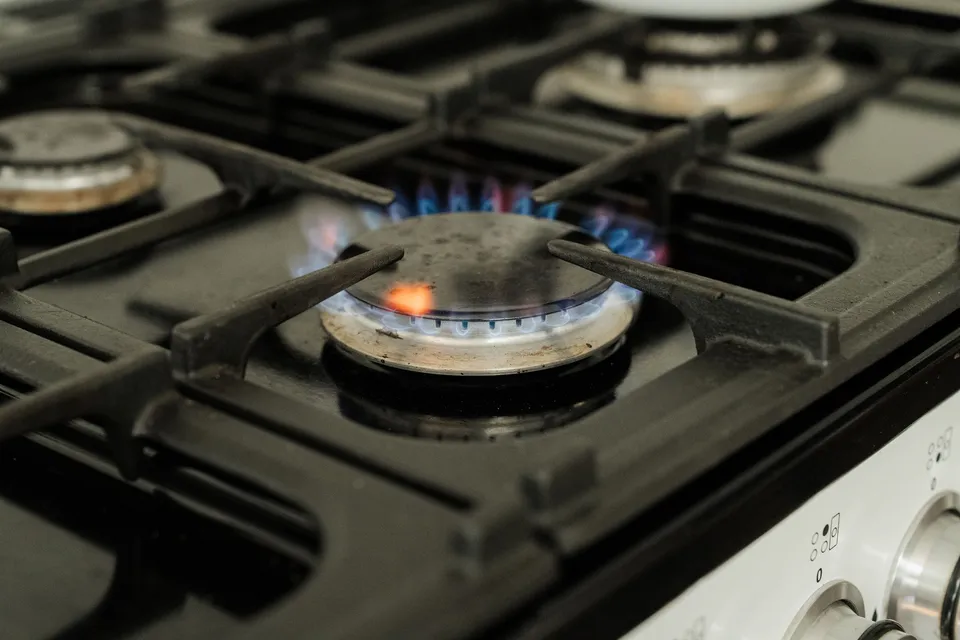
A stump-founded home carries its water pipes, drains and gas line through the open space beneath the floor, where they sit in plain view from underneath. A slab house hides the same runs inside the concrete or within the walls.
Under a timber floor we can follow a run and fix it in the open. A slab means opening floors or walls first.
Several warning signs appear before anything gets opened:
- ground that stays soggy along a pipe run
- drips tracking from joints and fittings
- rust streaks on the metalwork
- timber gone dark where damp has sat
- a stale, musty odour under the boards that never lifts
A torch and a look beneath an old weatherboard tells us plenty. Where a damp patch has no visible source, our leak detection service traces it.
Galvanised Pipes and the Signs They Are Failing
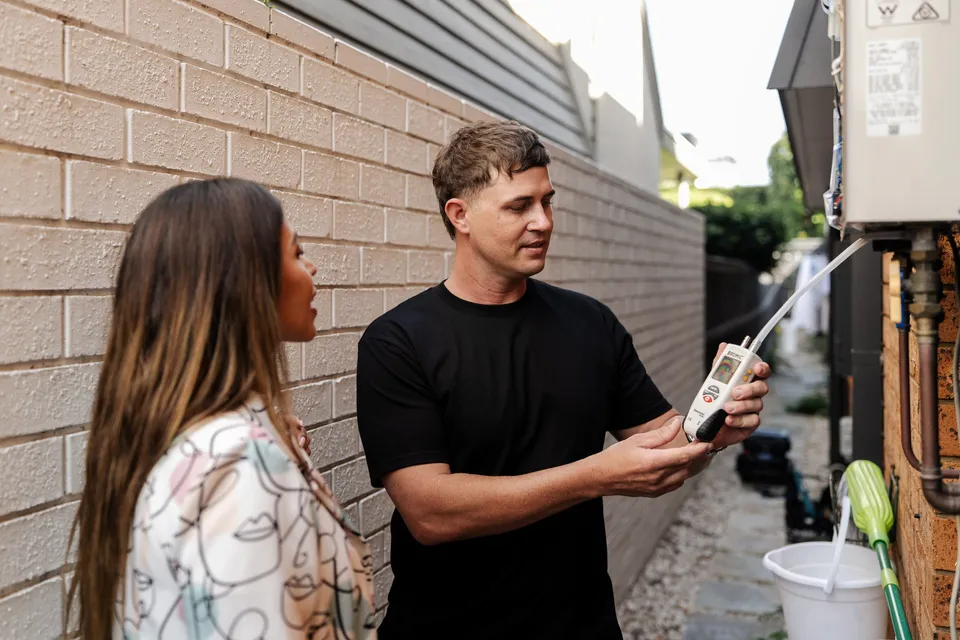
Galvanised pipe is steel given a zinc coating, and once that coating wears away the steel corrodes from the inside out. Rusty or brown water, flow that drops at multiple taps, and leaks that return on the same run are the classic trio.
Three signs point at the pipe rather than a single fitting:
- brown water, worst after a tap sits unused overnight
- flow that falls away when two taps run together
- leaks that reappear on one run within months
The joints carry their own age marker. Solder containing lead was common on copper pipe and brass fittings across Australia up until 1989, so an older supply line deserves a closer look.
Swapping the pipe is a larger project with its own page: repiping old pipes covers what a full replacement involves for a home here.

Which Renovations Count as Notifiable Work
Most reno plumbing in an established house is notifiable work: a licensed plumber carries it out with no council permit and registers it with the QBCC afterwards. The Regulation treats a building as existing once it has both a drain connection and a supply of water, which covers nearly every older home in the suburb.
A few situations shift the category or add requirements:
Shared services
Where a building shares one drain with another lot, or draws on a dual reticulated supply, the job becomes permit work and we apply to council before starting.
Water heaters
Each new or replacement water heater requires a temperature control device that caps the water reaching the taps at 50°C, and fitting one is notifiable work. Adding a shower or similar hygiene fixture triggers the same device; swapping a washer or shower rose does not.
Asbestos
Most homes built before 1990 hold some asbestos, so a reno needs extra precautions and may cost more.
Old permits
A permit follows the property it was issued for, binding the owner, every later buyer and any occupier.
A straight pipe repair sits lower on the ladder: minor work a licensee performs with no permit and no form. Replacing the supply line from the meter to the house is notifiable, and you get a copy of the form.
Corrosion and Wear in Older Gas Pipework
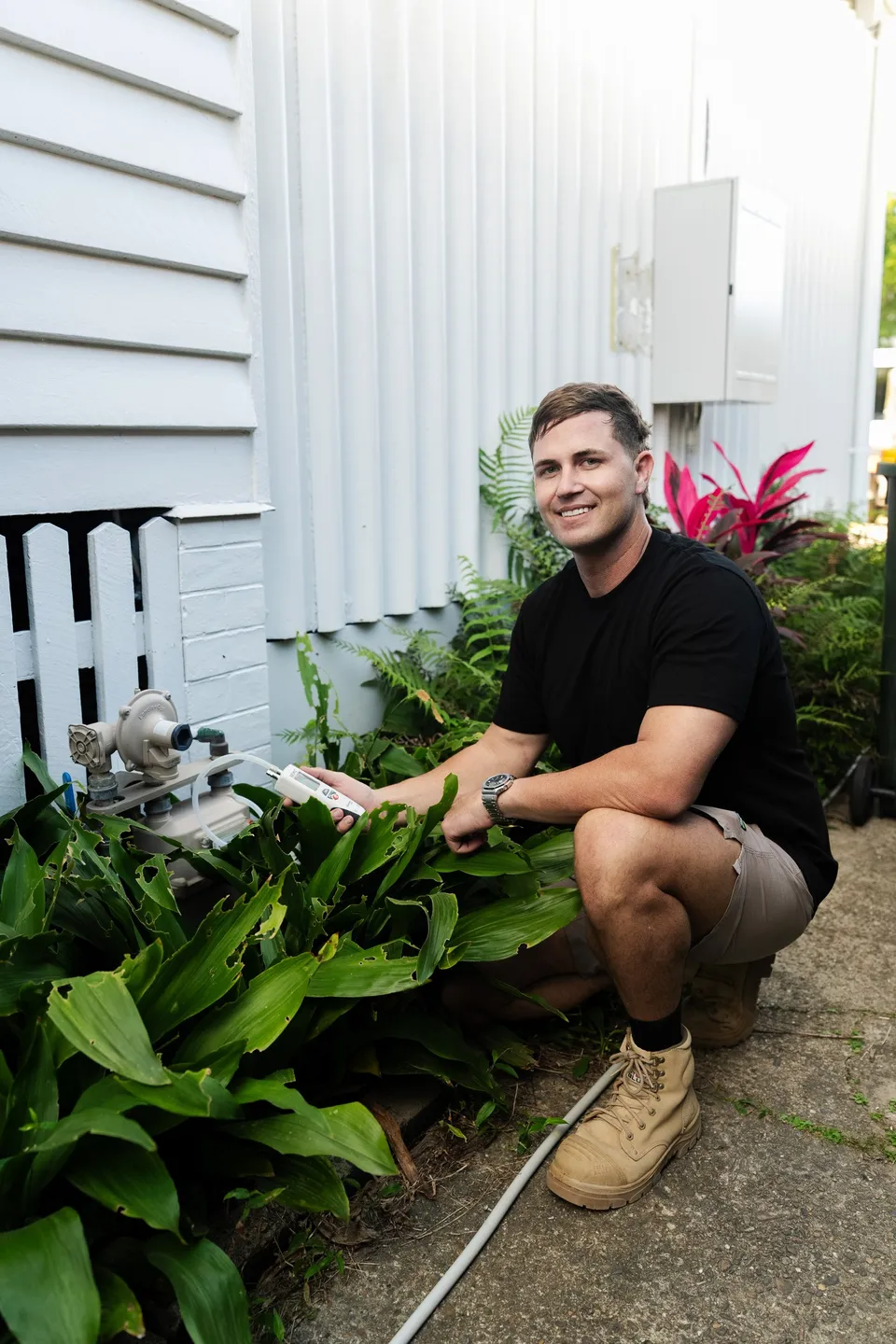
Only a licensed gasfitter may put in, alter, repair, service, test or certify gas pipework and its connections. Owners still have a watching brief. Queensland's gas safety guidance asks owners to inspect the old runs now and then for corrosion or any sign of wear, and to keep anything flammable well away from appliances.
Queensland's gas rules also require a gas worker who finds a safety concern to give the owner a defect notice, unless the fault gets repaired straight away. And if you smell gas, switch off the appliance, open windows and doors, and don't touch any light switch or power point. If the smell remains, close the valve at the meter or bottle and ring (07) 3523 7172; call 000 if it persists.
Certificates for gas work have their own rules, explained on the gas compliance certificates page.
What the Resort Decades Left Behind
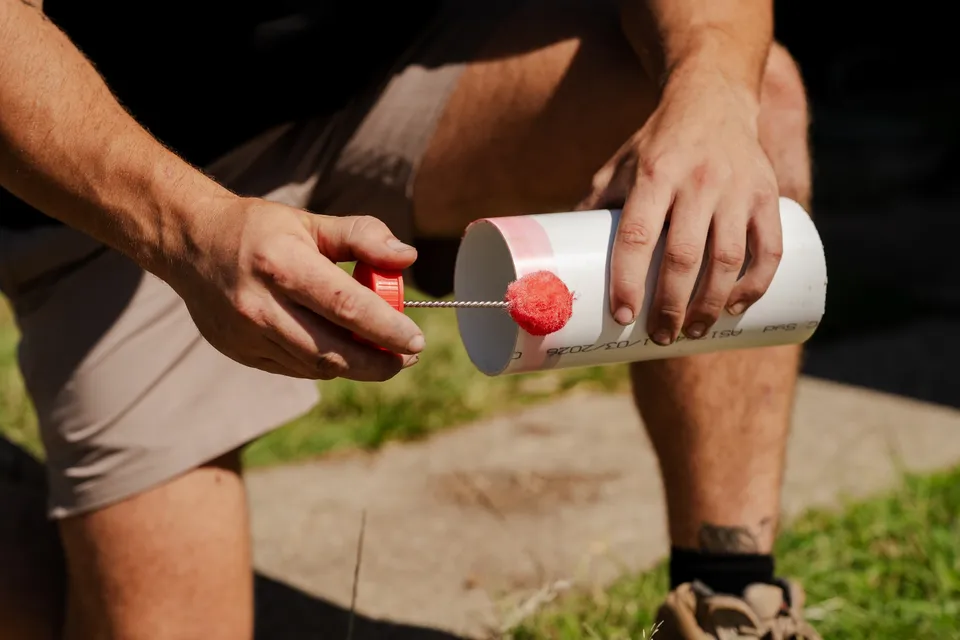
Sandgate's housing spans pre-1940 timber villas, post-war weatherboard and 1960s brick, and the oldest streets keep their original services. Cottages around the 1886 former post office in Bowser Parade that were never repiped may still run on galvanised steel water pipes, with scale building inside and threaded joints starting to seep.
Some original water services have sat under these streets a very long time. When one splits below a footpath or a driveway crossing, the tell is usually spongy ground or water pooling on the verge, not a drip indoors.
Beach-ridge sand and marine deposits hold groundwater close to the surface on the low streets, so the space under an old floor stays damp and any leak there lingers. A plumber verifies the pipe material and its condition on site, because no two old houses share a history.
How a Visit Runs
- 1

Tell us what's happening
Call (07) 3523 7172 or send the form with a few details about the problem in Sandgate. A clear description helps us bring the right parts.
- 2

We read the house first
We go under the floor or into whatever cavity the house allows, checking pipe material, joint condition and any staining or seeping, and we explain what we find before quoting.
- 3
Approve a fixed price
You get a fixed quote before any work starts, with flat-rate pricing and no hidden fees. Nothing goes ahead until you say yes.
- 4

Pay when it's finished
Pay by card or EFTPOS on site once the job's done, or ask about Fix now, pay later.
Plumbing job in Sandgate?
$0 call-out fees, available 24/7, and same-day where we can.
Older Home Plumbing Questions
Call (07) 3523 7172Where do the pipes run in an old Sandgate house on stumps?
Mostly under the boards. Timber homes on stumps hold their water, waste and gas lines in the open space below the floor, so a look from underneath finds them. Slab construction is the opposite: the runs sit in the concrete or behind wall linings, so repairs mean opening something up first.
Does my Sandgate home have galvanised water pipes?
Yes, some do. Unrepiped houses from the suburb's early decades can still be served by galvanised steel water pipe that chokes up with scale. A plumber confirms what is in your walls on site, because no rule of thumb answers it.
Was lead used in old house plumbing?
Yes, in the solder. Joints on copper and brass were soldered with lead across Australia until 1989, so the age of a water service matters. We can identify the pipe and joint materials during a visit.
Does plumbing work cost more in an older house?
Yes, it can. Access to old pipework beneath floors and inside walls takes labour, and what we find once things are opened sets the scope. Pre-1990 homes may also hold asbestos, which adds precautions, and your fixed quote confirms the final price.
How can I find out what plumbing work was done on a house before?
Look up the address in the QBCC's online record of notifiable work, and request a copy of the Form 4 from the QBCC for jobs at the property. A permit from earlier work stays with the premises, so it binds every later owner and occupier too.

Ring Us About the Old PipeworkWe'll call you back.
Call (07) 3523 7172 to book a plumber in Sandgate. We're available 24/7, with $0 call-out fees, flat-rate pricing and same-day where we can.
To claim your $0 call-out fee, call (07) 3523 7172 today.